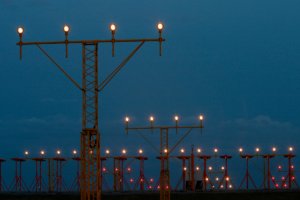
Airfield lighting systems operate in some of the most demanding electrical environments, including extreme weather, constant vibration, and temperature fluctuations. They’re also a critical part of your airport operations and must be relied upon to ensure safe landings and ground movement of aircraft at all times.
However, runway lighting failures sometimes happen. In many cases, they’re not an isolated issue, but rather a symptom of deeper electrical, environmental, or installation-related problems within the circuit.
In this month’s blog, we discuss some of the more common runway lighting issues and what your maintenance teams can do to mitigate the risk of system failure.
Cable Insulation Breakdown
One of the most common causes of airfield lighting failure is the deterioration of the primary series circuit cable. Typically, these cables carry high voltage over long distances beneath runways and taxiways, making them susceptible to degradation from thermal stress or environmental exposure.
Moisture intrusion through compromised insulation is a threat to cables, potentially leading to partial discharge activity and eventually a full ground fault. These faults may initially present as intermittent circuit instability before progressing into a complete outage.
Preventing insulation breakdown is really a matter of choosing the right equipment for this application and following proper installation practices. For example, opt for high-quality cross-linked polyethylene insulation that’s designed specifically for airfield environments. This insulation provides greater resistance to moisture and electrical stress, reducing the risk of power instability. Additionally, ensure that the cable is buried at the proper depth and installed without sharp bends.
Routine insulation resistance testing and circuit monitoring can also identify early-stage degradation, so your maintenance teams can rectify the problem before a power failure disrupts operations.
Isolation Transformer Failures
Isolation transformers are an essential part of your runaway lighting infrastructure. They enable individual fixtures to operate independently while maintaining the steady current required by the system. However, these units are frequently installed in underground light bases or junction pits where they are exposed to moisture, heat, and vibration.
As with cable insulation, thermal stress and water intrusion can trigger failure in isolation transformers. In this case, water can seep into seals, corroding the unit’s internal components. A compromised isolation transformer can trigger repeated fixture outages or erratic lamp behaviour, which will persist if there is a deeper environmental or installation issue with the device.
Preventive strategies focus on using transformers designed specifically for airfield conditions, with robust sealing and corrosion-resistant connectors. Proper drainage in light bases and routine inspection of connectors can also extend the service life of transformers.
Constant Current Regulator Issues
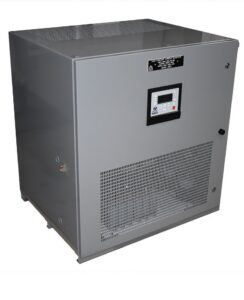
While cables, insulation, and lighting fixtures are most often the source of problems with runway lighting systems, the constant current regulator (CCR) can also trigger system issues, often due to aging components in legacy systems.
CCR issues typically trigger voltage fluctuations, cooling system faults, or control system failures that impair the unit’s ability to perform its tasks. In some cases, the regulator may still operate but produce unstable output that affects the entire lighting circuit.
Your technical team can mitigate these risks by identifying potential issues early through regular device calibration, thermal inspection, and monitoring of regulator performance data. Many modern CCR systems include remote diagnostics that enable technical teams to detect problems before they result in service interruption.
Read More: Why Your Airport Runway System Needs Airfield Lightning Arrestors
Fixture Damage From Aircraft And Maintenance Equipment
Unlike most system components, airport runway fixtures are physically exposed to heavy external loads. For example, inset lights must withstand aircraft tire pressures, jet blasts, and repeated impact from ground support equipment.
Snow removal operations present an additional challenge. High-speed plows and rotary brooms frequently pass directly over inset fixtures. Misaligned or protruding lights are particularly vulnerable to impact damage.
The most effective prevention strategies are precision installation during upgrades and regular inspection. Fixtures must be correctly aligned, securely mounted, and flush with the pavement surface to prevent gasket failure, water ingress, and damage to electrical connections. Also, visual inspection of high-traffic runway zones after major winter storms can identify damaged fixtures before they lead to larger electrical faults.
Water Ingress In Light Bases
Water is one of the most persistent threats to airfield electrical systems. Light bases are particularly vulnerable because they often sit below grade, where groundwater accumulation is unavoidable. The problem is particularly common at older airfields, where infrastructure may not have been designed to meet modern drainage standards. Seasonal freeze-thaw cycles can also accelerate deterioration by expanding small cracks in conduit systems and base housings.
Design improvements can help airport operators avoid ground faults associated with water ingress into light bases. For example, ensuring proper drainage with pumps or drainage channels can help limit component damage from moisture, especially in areas with persistent groundwater accumulation. Additionally, modern sealed connectors and water-resistant housings provide a much higher level of protection than legacy components.
Regular scheduled inspection and proactive maintenance of light bases can also help prevent voltage problems when you need power the most.
Partner With Airport Lighting Company For Helpful Advice On Runway Lighting Equipment Maintenance
At Airport Lighting Company, we not only specialize in supplying airports with high-quality, durable lighting and power equipment. We also have the technical expertise to help you protect your runway lighting system and extend the life of its components.
When you’re planning your next system upgrade, or need advice on how to protect your equipment from mechanical, environmental, or installation issues, call our team first.
Read More: About Us
Call Airport Lighting Company For The Latest In Airport Lighting Technology
The Airport Lighting Company team is standing by to answer your questions about how our tech-based products can help improve the safety, reliability, and efficiency of your runways. Call 315-682-6460 for fast, friendly service you can count on.